Why Buy Pasture-Raised?
Eat Delicious. Heal the Earth.
Choosing pasture-raised meat isn’t just about what’s on your plate—it’s about how that food was raised, and the impact it has on your health, your community, and the land.
Flavor You Can Taste
Pasture-raised meat tastes different—because it is different.
Animals raised on diverse grasses and living landscapes develop deeper, richer flavor than conventionally raised meat. It’s not just about tenderness—it’s about complexity, nutrition, and connection to place.
More Nutrient-Dense Food
What animals eat—and how they live—matters.
Research shows that grass-fed and pasture-raised meats can contain:
Higher levels of omega-3 fatty acids
More beneficial fats like CLA
Increased vitamins A and E
A wider range of plant-derived compounds (from grazing diverse pasture)
That yellow fat? That’s a sign of nutrients from grass—not something to avoid.
Good for the Land
The way animals are raised directly impacts the health of our environment.
Well-managed grazing systems:
Build soil organic matter
Reduce erosion
Improve water infiltration (helping land absorb rainfall instead of flooding)
Support pollinators, birds, and biodiversity
In a time of increasing floods and extreme weather in the Northeast, healthy soil is one of our best tools for resilience.
Part of a Better Agricultural System
Modern agriculture has contributed to serious challenges—soil loss, water pollution, and declining ecosystems.
Regenerative grazing offers a different path.
By focusing on soil biology instead of heavy chemical inputs, farmers work with natural systems to restore land health while producing nutrient-dense food.
No single system is perfect—but pasture-based livestock systems, when managed well, can be part of a more balanced and resilient food future.
Raised with Care
Pasture-raised animals:
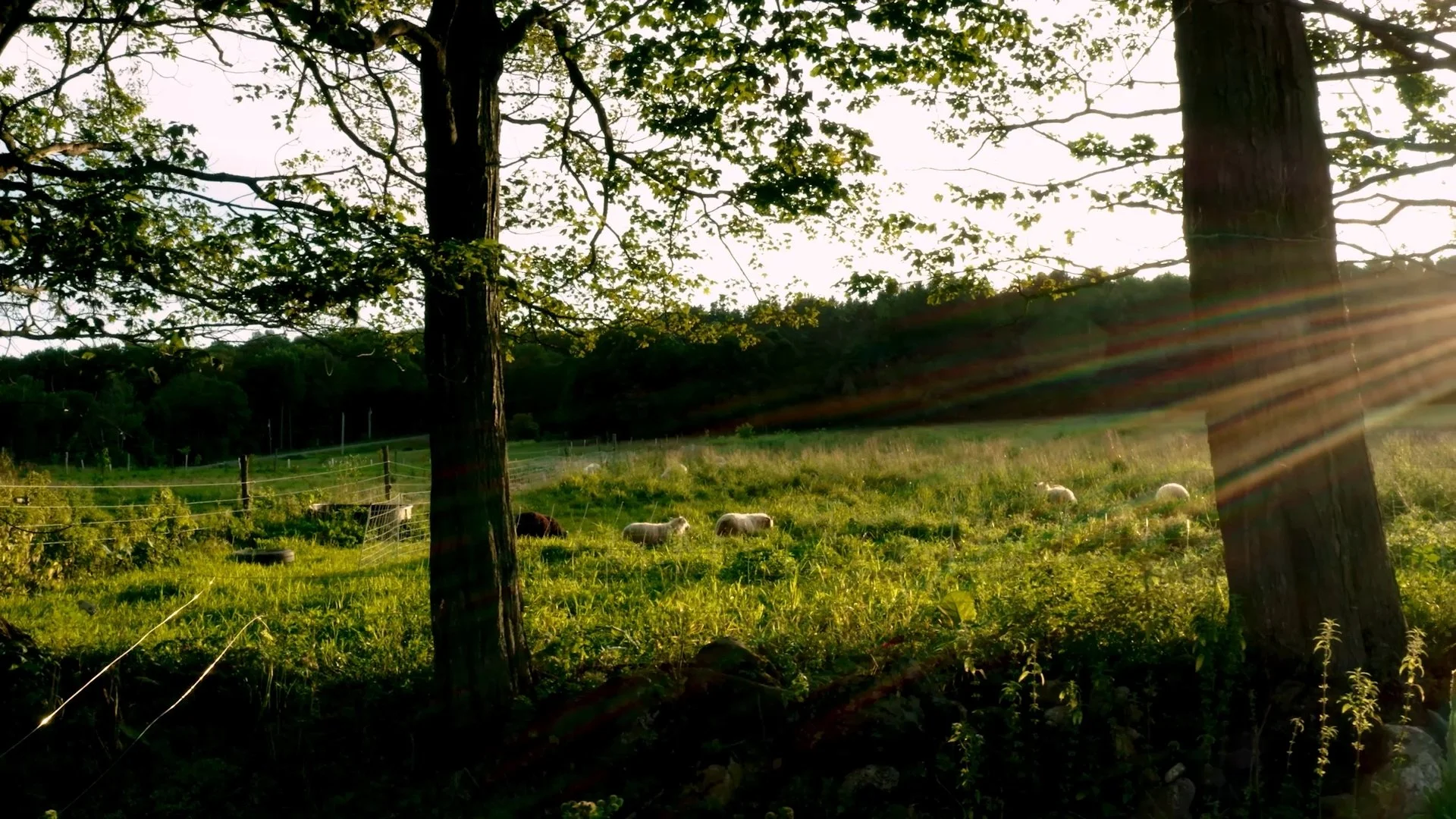
Spend their lives outdoors on pasture
Eat a natural diet of grasses and forage
Are managed in ways that prioritize their health and natural behaviors
It’s a fundamentally different model than confinement-based systems.
Support Local Farmers & Communities
Most grass-fed beef in the U.S. is actually imported.
Buying directly from Vermont farmers means:
Your food travels fewer miles
Your dollars stay in your community
You can know—and often visit—the farm where your food was raised
This is transparency you can trust.
Why It Costs More (and Why It Matters)
Pasture-raised meat reflects a different kind of farming:
More land per animal
More hands-on management
Slower, more natural growth
You’re not just paying for meat—you’re supporting:
Healthy soil
Local farms
Animal welfare
Long-term food security
Ready to Taste the Difference?
→ Find a Farmer Near You
→ Meet Vermont’s Pasture-Raised Farmers