Dig Deeper
-
Pasture-raised animals are raised outdoors on pasture, with access to fresh grass and managed grazing systems that support both animal health and land health.
-
Grass-fed refers to what the animal eats (primarily grass and forage)
Pasture-raised refers to how the animal lives (outdoors, on pasture)
Most Vermont farmers are doing both.
-
Pasture-raised meat often:
Has a deeper red color
Has yellow fat (from nutrients in grass)
Tastes richer or more “beefy”
These are signs of a different diet and lifestyle—not lower quality.
-
Grass-fed animals develop less intramuscular fat than grain-fed animals.
That means:
Faster cooking times
More attention needed when cooking (don’t overcook!)
-
Simple adjustments make a big difference:
Cook at slightly lower temperatures
Avoid overcooking
Let meat rest before cutting
Once you get the hang of it, many people prefer it.
-
No—in many cases, frozen meat is better preserved.
Freezing locks in freshness, especially when meat is processed locally and frozen quickly.
-
It reflects a different farming system:
Smaller-scale farms
More land and labor per animal
No shortcuts with feed or confinement
You’re paying for quality, transparency, and long-term sustainability.
-
When managed well, pasture-based systems can:
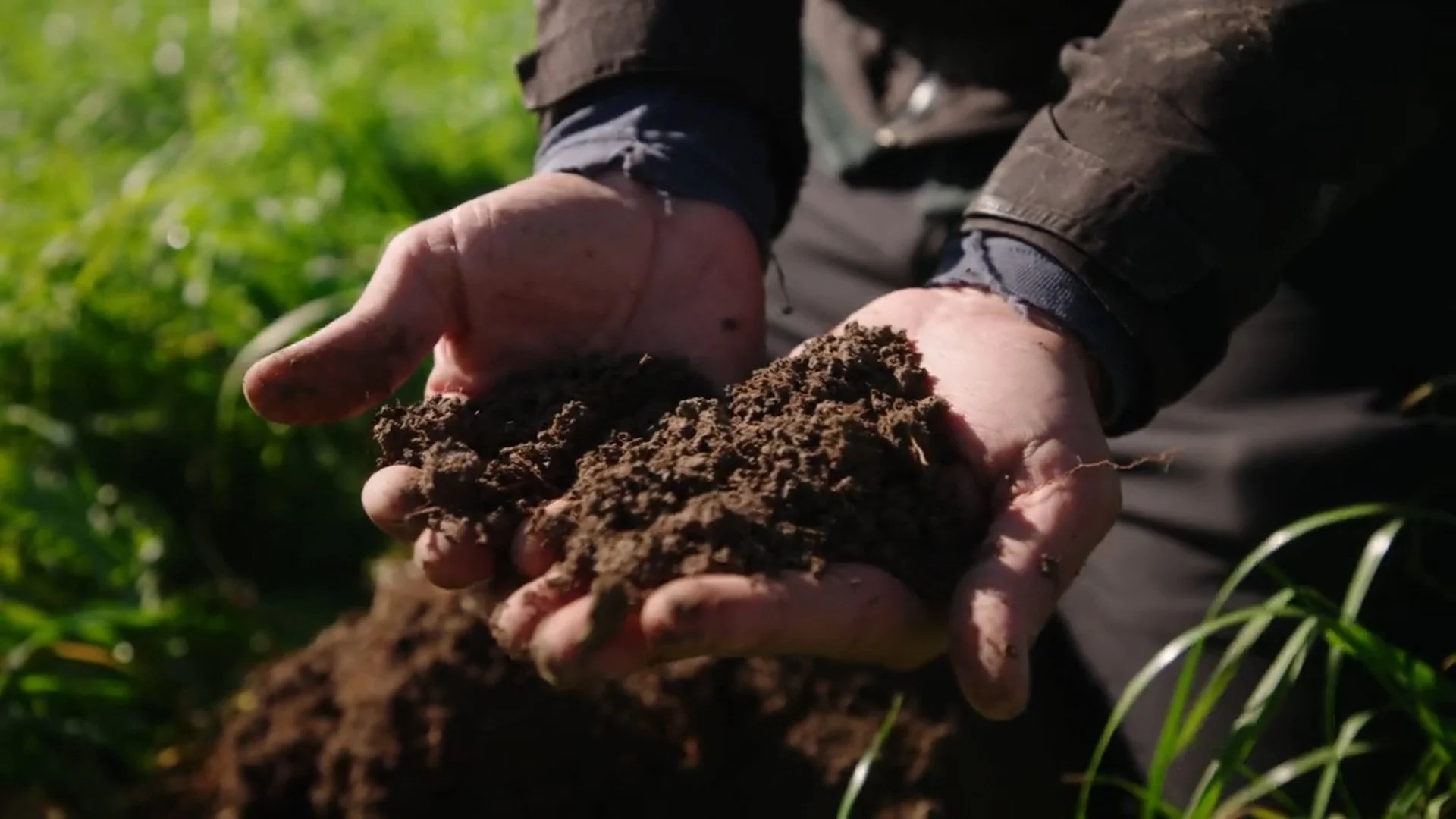
Improve soil health
Reduce erosion
Increase water absorption
Support biodiversity
There’s still ongoing research—especially around carbon—but many of the land and water benefits are well established.
-
Cattle do produce methane, and that’s part of the conversation.
At the same time, well-managed grazing systems can:
Build soil carbon
Improve ecosystem function
Help landscapes better handle extreme weather
It’s not a simple yes/no issue—but how animals are raised matters.
-
It depends.
Many plant-based products rely on large-scale monocrop agriculture, which also has environmental impacts.
Pasture-raised livestock often use land that can’t be cropped and can play a role in healthy ecosystems.
-
Often, yes.
One of the benefits of buying locally is being able to connect directly with the people raising your food.
→ Meet Our Farmers
→ Find a Farmer Near You
What is grass farming?
(raising livestock on pasture - focusing on the health of the whole ecosystem - soil health, forage health, animal health and the interplay with wildlife and ecosystem impact)
What is rotational grazing?
(very short description of moving animals - set up for the next question)
Why is it important to move animals in a thoughtful way across a pasture instead of just letting them roam a large area at will?
(more detail about the benefits of moving animals if a planned system - motivation - to help people more deeply understand rotation vs set stock - this is nuanced and might be to much but I think people don't know what they don't know and these details do matter to us and are a big part of shifting farmers mindsets about pastureing animals)
Is purchasing products from grassfed animals really a good thing?
(much of the answer to this very complicated question will come from the handout we already created)
How do I know if the products I purchase are from animals raised responsibly on pastures?
(this response will be about connecting with a local grass based farmer and touch on the certifications in larger markets - and the issue with USDA Product of the USA problem - grassfed from other countries being labeled as Product of the USA. This will lead to the Find a Grassfarmer function of the website.)